

How Much Protein Do You Need to Build Muscle
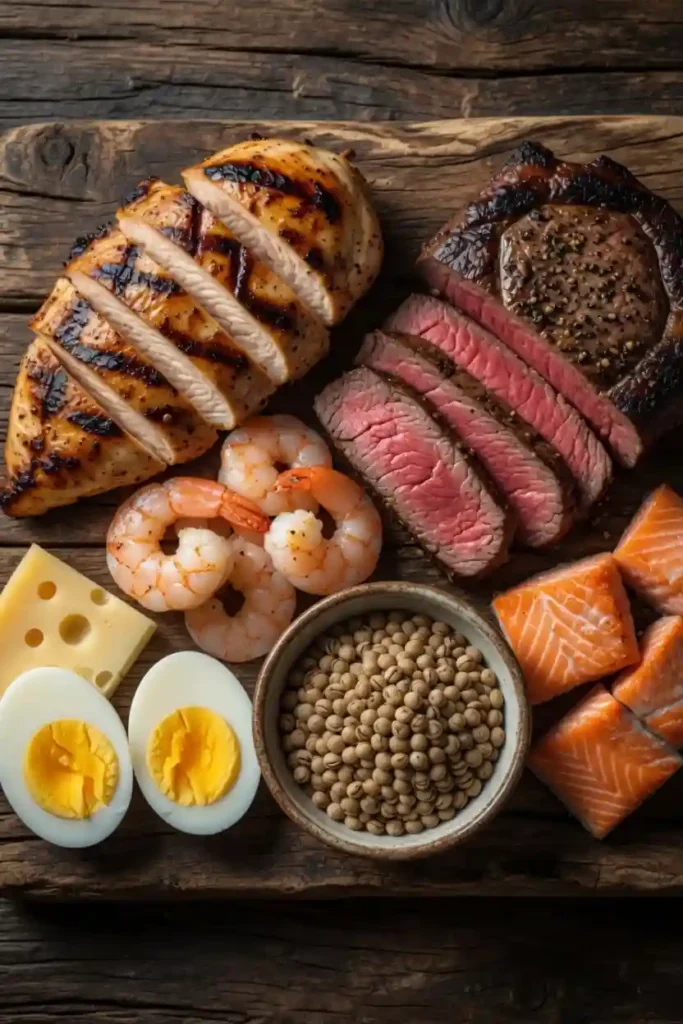
How Much Protein Do You Need to Build Muscle? A Science-Backed Guide to Daily Protein Intake
How Much Protein Do You Need to Build Muscle?
If you’re trying to build muscle, improve strength, or change your body composition, one of the first questions you’ll likely ask is:
“How much protein do I need to build muscle?”
Protein is one of the most important nutrients for muscle growth because it provides the amino acids your body needs to repair and build new muscle tissue. However, more protein does not always mean more muscle. Building muscle requires the right combination of
progressive resistance training, adequate protein intake, proper recovery, and consistency.
So, what does the science actually say?
Why Protein Is Important for Muscle Growth
Protein is made up of amino acids, often referred to as the “building blocks” of muscle. When you perform resistance training, such as weightlifting, you create a stimulus that signals your body to repair and adapt. Protein provides the raw materials needed for this process.
This process is called muscle protein synthesis (MPS) the natural process where your body creates new muscle proteins.
Research shows that resistance training combined with sufficient protein intake creates a greater increase in muscle protein synthesis compared with either exercise or protein intake alone. Adequate protein availability allows your body to maximize the repair and growth response following training.
(Jäger et al., International Society of Sports Nutrition Position Stand: Protein and Exercise, Journal of the International Society of Sports Nutrition.)
How Much Protein Do You Need Per Day to Build Muscle?
Current research suggests that most adults who participate in resistance training and want to maximize muscle growth should aim for approximately:
1.6–2.2 grams of protein per kilogram of body weight per day or:0.73–1 gram of protein per pound of body weight per day
This range is supported by recent systematic reviews and meta-analyses examining protein intake and resistance training adaptations. Research consistently shows that increasing protein intake up to approximately this range can improve gains in lean body mass, particularly when combined with consistent strength training.
(Morton et al., British Journal of Sports Medicine; Trommelen et al., Sports Medicine; Davies et al., Translational Sports Medicine.)
Example daily protein targets:
| Body Weight | Daily Protein Goal |
|---|---|
| 130 lbs (59 kg) | 95–130 g |
| 150 lbs (68 kg) | 110–150 g |
| 180 lbs (82 kg) | 130–180 g |
| 200 lbs (91 kg) | 145–200 g |
Your exact needs will depend on factors including your training level, age, body composition, calorie intake, and goals.
Do You Need More Protein When Trying to Lose Fat?
If your goal is fat loss while maintaining muscle, protein becomes even more important.
During a calorie deficit, your body has less energy available, which can increase the risk of losing lean muscle mass. Higher protein intake, combined with resistance training, can help preserve muscle while supporting fat loss.
Research suggests that individuals dieting for body composition goals, athletes, and those with higher training demands may benefit from consuming protein toward the higher end of the recommended range.
(Helms et al., Journal of the International Society of Sports Nutrition.)
Is More Protein Always Better?
A common misconception is that eating extremely high amounts of protein automatically leads to more muscle growth.
The truth?
Once you are consistently meeting your protein needs, adding significantly more protein does not guarantee additional muscle growth.
Muscle growth is a result of several factors working together:
- Progressive overload in your workouts
- Enough total calories to support your goals
- Adequate protein intake
- Quality sleep
- Proper recovery
- Long-term consistency
Protein is the foundation but your training is what tells your body where to use it.
How Much Protein Should You Eat Per Meal?
While your total daily protein intake is the most important factor, research suggests that spreading your protein intake throughout the day may help optimize muscle protein synthesis.
A general recommendation is:
20–40 grams of high-quality protein per meal
depending on your body size and training goals.
For example:
Breakfast: 30 g protein
Lunch: 35 g protein
Post-workout shake: 30 g protein
Dinner: 40 g protein
Snack: 20 g protein
Consuming protein regularly throughout the day provides your muscles with repeated opportunities to stimulate muscle protein synthesis.
(Schoenfeld & Aragon, Journal of the International Society of Sports Nutrition.)
What Is the Best Protein for Building Muscle?
When it comes to muscle growth, the best protein is one that helps you consistently reach your daily protein target.
High-quality protein sources include:
- Eggs
- Chicken
- Turkey
- Fish
- Lean meats
- Greek yogurt
- Cottage cheese
- Whey protein
- Plant-based protein sources
Whey protein remains one of the most researched protein sources in sportsnutrition because it contains all nine essential amino acids and is naturally high in leucine.
Leucine plays an important role in activating the muscle protein synthesis pathway, making whey protein a popular choice among athletes and active individuals.
(Deldicque, Nutrients; Jäger et al., Journal of the International Society of Sports Nutrition.)
Do You Need Protein Powder to Build Muscle?
No.
You can absolutely build muscle by getting enough protein from whole foods.
However, protein powder can be a convenient and practical option for people who struggle to meet their daily protein needs through food alone.
A protein shake can be especially useful:
- After resistance training
- When you’re short on time
- Between meals
- During busy workdays
- When trying to increase daily protein intake
The best protein supplement is one that fits your lifestyle and helps you stay consistent.
BIOX Protein: Supporting Your Muscle Growth Goals Since 1988
At BIOX Performance Nutrition, we believe quality matters. Since 1988, we have been manufacturing our own supplements right here in British Columbia, Canada. Unlike brands that rely on third-party manufacturers, BIOX maintains control over the manufacturing process to ensure quality, consistency, and performance.
Whether your goal is building muscle, improving recovery, or simply increasing your daily protein intake, BIOX offers protein options designed to fit different lifestyles.
Our Performance Protein options, including our Power Whey Complex and Power Whey Isolate, are designed for athletes and active
individuals looking for high-quality protein to support muscle recovery and performance.
For those looking for simpler ingredients and a more natural approach, our Natural Protein options provide clean, quality nutrition without compromising on taste or results.
Whatever your goal whether building strength, improving performance, or supporting a healthier lifestyle, BIOX helps make reaching your protein goals easier.
Frequently Asked Questions
How much protein do I need if I lift weights?
Most people who strength train should aim for approximately
1.6–2.2 grams of protein per kilogram of body weight per day to support muscle growth and recovery.
Is whey protein better than food?
Not necessarily. Whole foods provide important nutrients beyond protein. However, whey protein is a convenient, high-quality option that can help you reach your daily protein target.
Should I drink protein before or after a workout?
Both can work. Your total daily protein intake matters most. Consuming protein around your workout can support muscle recovery, especially when combined with resistance training.
Can you build muscle after age 35?
Yes. Adults can continue building muscle at any age with proper resistance training, adequate protein intake, and recovery.
The Bottom Line
If your goal is to build muscle, focus on consistency and not the extremes.
Aim for approximately 1.6–2.2 grams of protein per kilogram of body weight per day, strength train regularly, and prioritize recovery.
Protein is one piece of the muscle-building equation, but when combined with the right training program and healthy lifestyle habits, it can help you maximize your results.
Whether you choose whole foods, supplements, or a combination of both, the most effective approach is the one you can maintain long term.
Scientific References
- Jäger R, Kerksick CM, Campbell BI, et al. International Society of Sports Nutrition Position Stand: Protein and Exercise. Journal of the International Society of Sports Nutrition. 2017.
- Morton RW, Murphy KT, McKellar SR, et al. A systematic review, meta-analysis and meta-regression of the effect of protein supplementation on resistance training-induced gains in muscle mass and strength. British Journal of Sports Medicine. 2018.
- Trommelen J, Betz MW, van Loon LJC. The Muscle Protein Synthetic Response to Meal Ingestion Following Resistance- Type Exercise. Sports Medicine. 2019.
- Davies RW, et al. Characterisation of the Muscle Protein Synthetic Response to Resistance Exercise in Healthy Adults: A Systematic Review and Exploratory Meta- analysis. Translational Sports Medicine. 2024.
- Deldicque L. Protein Intake and Exercise-Induced Skeletal Muscle Hypertrophy: An Update. Nutrients. 2020.
- Schoenfeld BJ, Aragon AA. How much protein can the body use in a single meal for muscle-building? Implications for daily protein distribution. Journal of the International Society of Sports Nutrition. 2018.