

How Do I Lose Weight Fast?
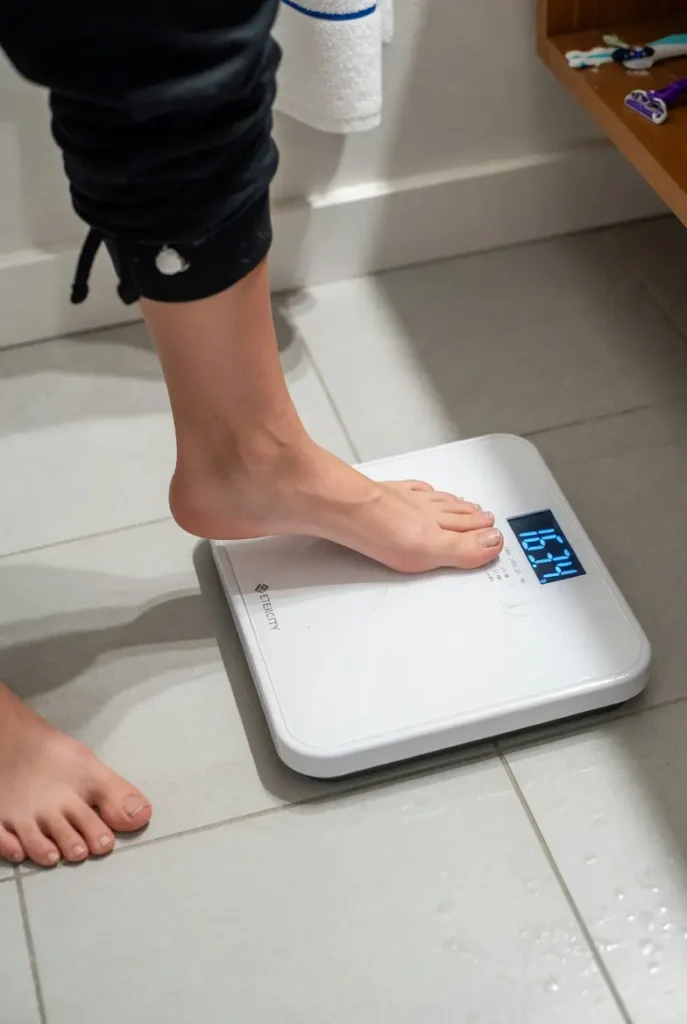
How Do I Lose Weight Fast? A Science-Backed Guide That Actually Works
When people search “how do I lose weight fast,” what they’re usually asking is:
- How can I lose body fat efficiently?
- How do I see results quickly without ruining my metabolism?
- What actually works according to science?
The truth is, fast weight loss is possible — but sustainable fat loss comes from combining nutrition, movement, recovery, and consistency in a strategic way.
This guide breaks down the science behind effective weight loss, how metabolism really works, common mistakes people make, and where supplements can support the process.
Understanding Weight Loss: The Science Behind Fat Loss
At its core, weight loss happens through a calorie deficit.
This means your body is using more energy than it is consuming.
Your body burns calories through:
- Basal metabolic rate (BMR) — the energy required to keep you alive
- Daily movement and activity
- Exercise
- Digestion of food (thermic effect of food)
When your body consistently burns more calories than it takes in, it begins using stored energy — primarily body fat.
However, not all weight loss is equal.
Fast drops on the scale can come from:
- Water loss
- Glycogen depletion
- Muscle loss
- Fat loss
The goal should not simply be to “weigh less.”
The goal should be to reduce body fat while maintaining muscle, energy, hormonal health, and metabolic function
How to Lose Weight Fast — Safely and Effectively
1. Prioritize Protein Intake
Protein is one of the most important nutrients for fat loss.
Research consistently shows higher protein diets can help:
- Increase fullness
- Reduce cravings
- Preserve lean muscle mass
- Support recovery
- Increase calorie burn through digestion
High-protein foods include:
- Chicken
- Fish
- Greek yogurt
- Eggs
- Lean beef
- Cottage cheese
- Protein shakes
Protein is especially important during a calorie deficit because it helps reduce muscle loss while dieting.
2. Focus on Whole Foods Most of the Time
Ultra-processed foods are often engineered to be highly palatable and easy to overconsume.
Whole foods generally:
- Keep you fuller longer
- Stabilize blood sugar
- Provide more nutrients
- Naturally help regulate appetite
Examples include:
- Vegetables
- Fruit
- Lean proteins
- Potatoes
- Rice
- Oats
- Healthy fats
- Legumes
This does not mean you need to eliminate all “fun foods.” Sustainable fat loss works best when nutrition is realistic.
3. Resistance Training Matters
Many people trying to lose weight focus only on cardio.
But resistance training is critical because it:
- Helps preserve muscle
- Improves body composition
- Supports metabolism
- Enhances insulin sensitivity
Building or maintaining muscle can help your body look leaner even before major scale changes happen.
Effective forms of resistance training include:
- Weight lifting
- Resistance bands
- Bodyweight training
- Machines
- Functional fitness
4. Increase Daily Movement
One of the most overlooked fat-loss tools is simple movement.
Walking, standing more, and increasing daily activity can significantly impact calorie expenditure.
This is often referred to as NEAT:
Non-Exercise Activity Thermogenesis
Examples:
- Walking
- Cleaning
- Taking stairs
- Household activity
- Playing with kids
- Yard work
For many people, increasing daily movement is more sustainable than excessive cardio.
5. Sleep and Stress Directly Affect Weight Loss
Lack of sleep and chronic stress can affect:
- Hunger hormones
- Appetite regulation
- Cravings
- Recovery
- Energy levels
Poor sleep is associated with increased hunger and reduced impulse control around food.
Improving sleep quality may help:
- Support fat loss
- Improve workout performance
- Regulate appetite
- Improve recovery
Why Crash Diets Usually Fail
Extremely restrictive diets may produce rapid scale changes initially, but they are often difficult to maintain.
Crash dieting can lead to:
- Muscle loss
- Fatigue
- Increased cravings
- Reduced performance
- Binge-restrict cycles
Sustainable fat loss typically comes from consistency rather than extreme restriction.
A moderate calorie deficit combined with high protein intake and resistance training is often more effective long term than aggressive dieting.
Do Supplements Help With Weight Loss?
Supplements are not magic solutions.
No supplement can replace:
- A calorie deficit
- Nutrition
- Training
- Sleep
- Consistency
However, some supplements may support fat loss efforts when combined with a proper routine.
Common evidence-based supplements include:
Protein Powder (Power Whey Isolate)
Protein supplements can help increase total daily protein intake conveniently.
This may help:
- Improve satiety
- Support muscle retention
- Improve recovery
Creatine Monohydrate (Creatine Rush)
Creatine is one of the most researched sports supplements available.
While it is not a fat burner, it may:
- Support strength
- Improve training performance
- Help preserve lean muscle during fat loss phases
Caffeine (Power Pump)
Caffeine may temporarily:
- Increase alertness
- Improve training performance
- Slightly increase calorie expenditure
However, tolerance varies and excessive intake is not recommended.
Choosing Quality Supplements Matters
The supplement industry can vary widely in quality and transparency.
When choosing supplements, consumers should look for brands that prioritize:
- Ingredient quality
- Manufacturing standards
- Transparency
- Consistency
- Research-backed formulations
BIOX Performance Nutrition: We are a Canadian supplement company established in 1988 and we have built a reputation around quality, taste, and results. We offer a range of sports nutrition products designed to support fitness performance, recovery, and general wellness.
For many consumers, consistency and product quality are important factors when selecting supplements to support their health and fitness goals.
How Fast Can You Realistically Lose Weight?
Healthy weight loss rates vary depending on:
- Starting weight
- Body composition
- Activity level
- Nutrition
- Hormonal factors
- Consistency
Generally, gradual fat loss is more sustainable than aggressive rapid weight loss.
Some people may initially lose weight quickly due to water shifts and glycogen depletion, especially when improving nutrition habits.
Long-term success is usually tied to habits that can realistically be maintained.
The Scale Doesn’t Always Tell the Full Story
One of the biggest mistakes people make during a fat loss journey is relying solely on the number on the scale.
Body weight can fluctuate for many reasons, including:
- Water retention
- Sodium intake
- Hormonal changes
- Glycogen storage
- Muscle gain
- Digestion
In some cases, people may actually be losing body fat while gaining lean muscle tissue at the same time — a process often referred to as body recomposition or “recomping.”
Because muscle is denser than fat, the scale may not change significantly even though:
- Clothing fits better
- Body composition improves
- Strength increases
- Measurements decrease
- Physique becomes leaner
This is why weight loss and weight gain should sometimes be taken with a grain of salt. The number on the scale is only one data point — not the full picture of progress.
Someone who gains muscle while losing fat may look dramatically different without seeing a massive change in scale weight.
Progress photos, measurements, strength improvements, energy levels, and how you feel physically can often be more meaningful indicators of progress than body weight alone.
Common Weight Loss Mistakes
Eating Too Little
Severely under-eating may:
- Reduce energy
- Hurt workout performance
- Increase cravings
- Make adherence harder
Ignoring Protein
Low protein intake may increase muscle loss during dieting.
Relying Only on Cardio
Cardio can help create a calorie deficit, but resistance training helps preserve lean muscle and improve body composition.
Expecting Perfection
Consistency matters more than perfection.
One meal does not determine progress — patterns do.
Final Thoughts
If you’re wondering how to lose weight fast, the most effective approach is not usually the most extreme.
Science-supported fat loss focuses on:
- A sustainable calorie deficit
- High protein intake
- Resistance training
- Daily movement
- Recovery and sleep
- Long-term consistency
Supplements can support the process, but they work best alongside strong foundational habits.
Real results come from building routines that improve health, performance, and body composition over time — not from quick fixes alone.